What homeowners can handle at home
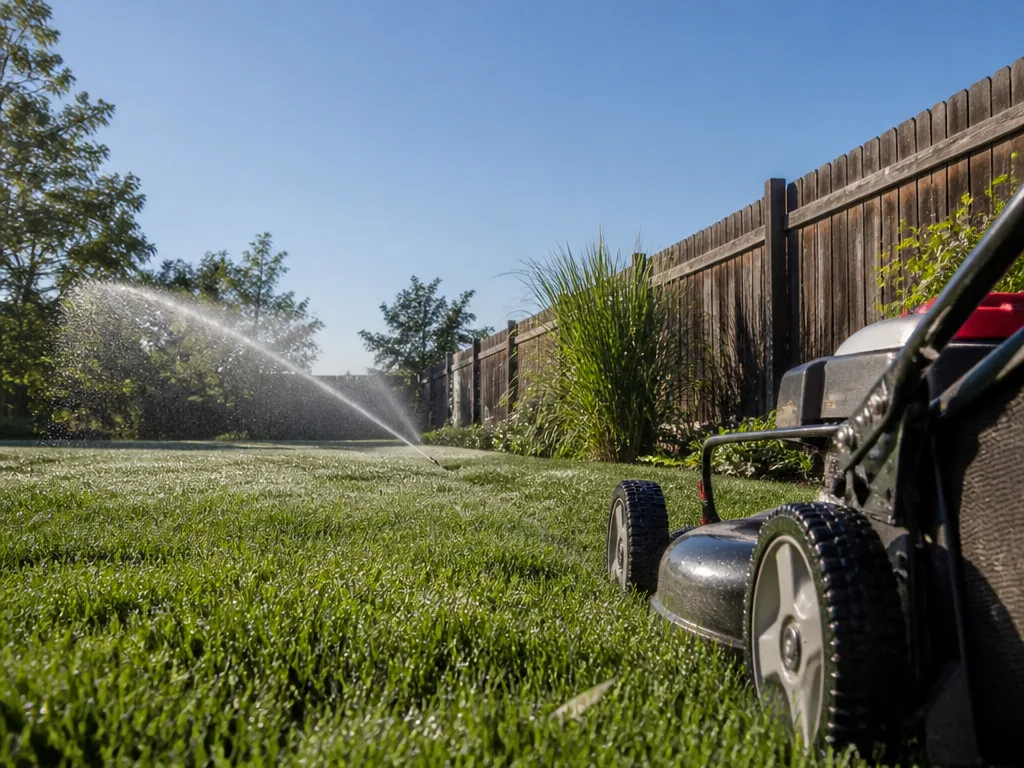
Many common lawn tasks in Kansas are simple and cost effective to do yourself. Start with proper mowing height and frequency. In hot months, cutting at about 3 to 3.5 inches helps shade the soil and protect crowns. Use a consistent mowing pattern so you don’t scalp any one area. Fertilizing with a balanced mix in early spring and again in early autumn supports steady growth across Kansas.
Soil moisture is another area you can manage. Check soil moisture levels regularly and water deeply to encourage deep root growth. If you notice surface runoff or puddling, adjust the irrigation timing and amount. Simple aeration can help with compacted zones, especially in clay-heavy Kansas soils.
When to call a lawn care specialist
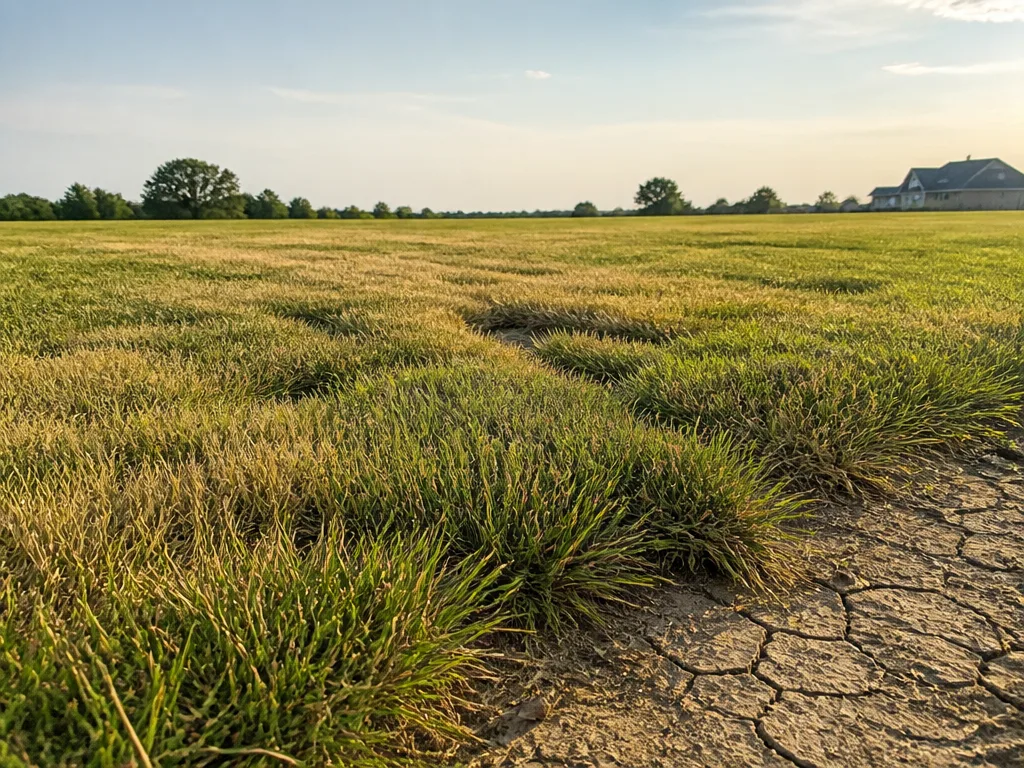
If color won’t rebound after several weeks, or there are widespread thinning patches that spread across multiple areas, it’s time to bring in a pro. Drought stress that lingers, unusual spots that fail to match neighboring turf, or a sudden weed surge can signal deeper issues that require a coordinated plan. In Kansas, our team tests soil profiles, evaluates root health, and creates a state-wide schedule that fits your property and local climate.
Another signal is persistent thatch buildup or soil that remains hard after watering. A lawn care specialist can tailor a program that includes core aeration and targeted soil amendments to restore balance across Kansas lawns. We aim to keep you informed with clear steps and sensible pacing, no hype, just real results.
What to expect from a professional assessment
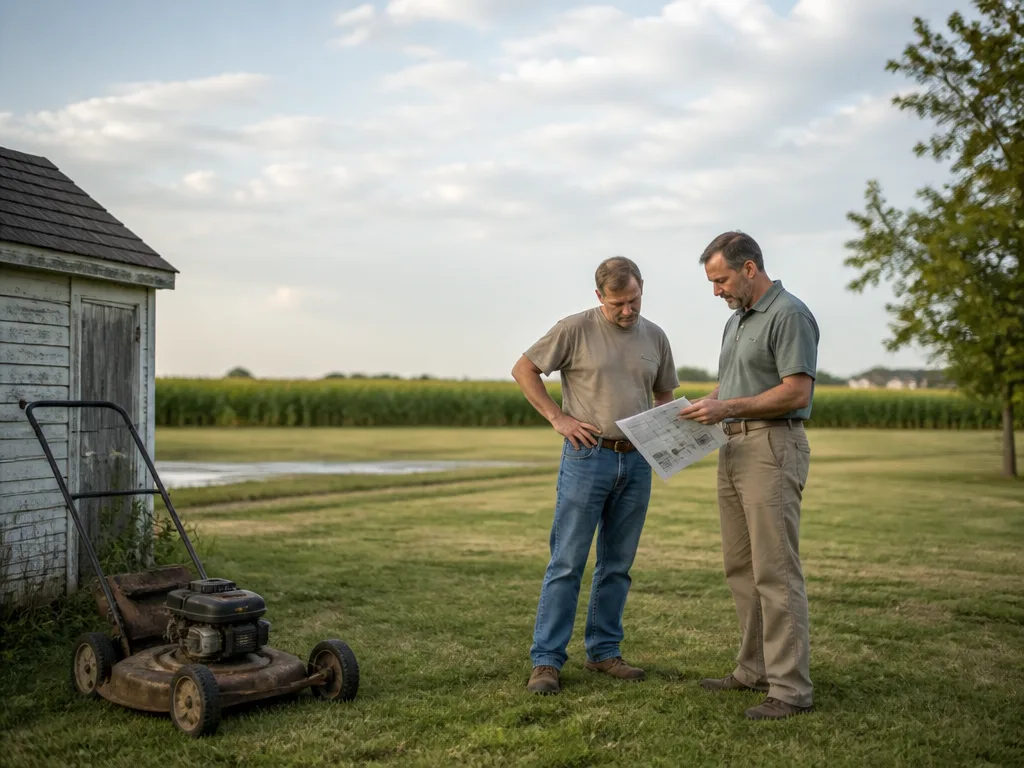
During a consultation, a Kansas-based lawn care specialist will inspect leaf color, turf density, soil structure, and irrigation patterns. They’ll map out a phased plan that adapts to the weather and seasonal shifts in Kansas. The goal is to improve root health, boost drought tolerance, and stabilize patchy areas without oversaturating the soil.